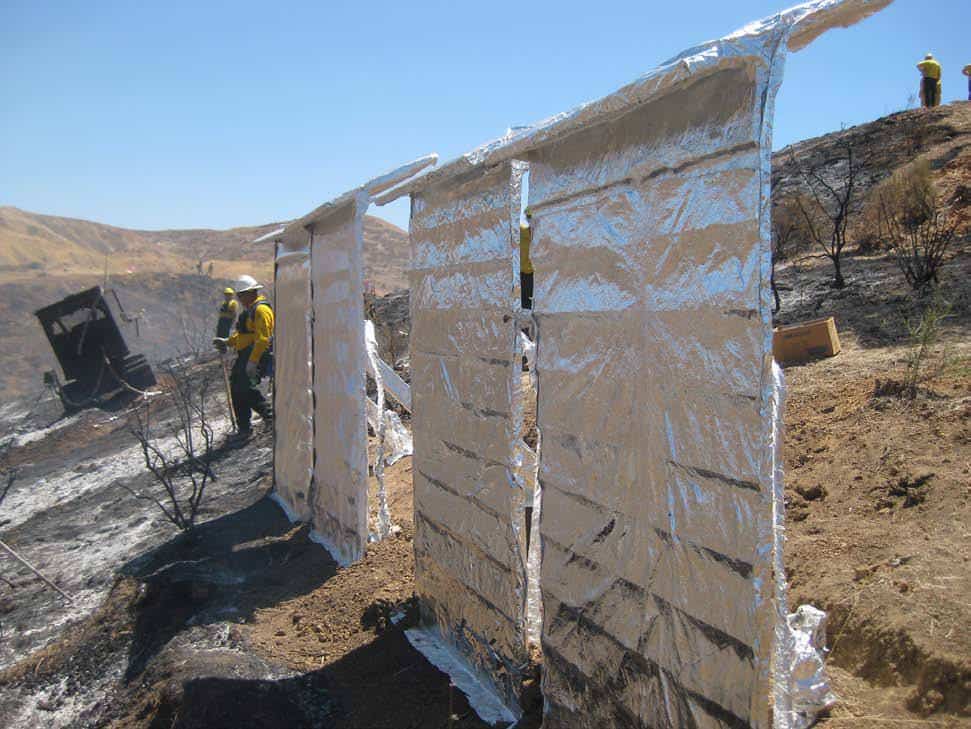
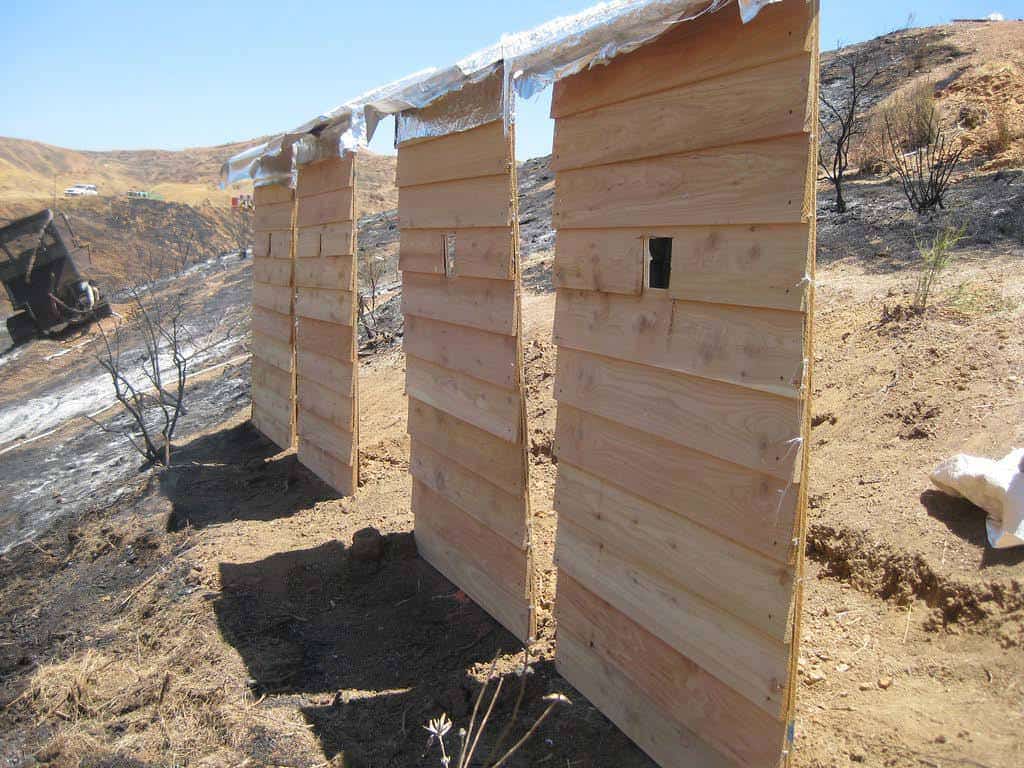
Inspired by robust feedback from thousands of riders, MARTA revealed its vision for a new fleet of rail cars featuring a host of customer-centric amenities, inside and out. The overall design reflects the culmination of outreach efforts in 2021 during which nearly 4,000 customers participated. The result is an alluring mix of improved comfort, convenient technology, and sleek minimalism.


Interior Design
For example, the train interiors will have open gangways that enable riders to move freely between cars, forward and inward-facing seating options, spacious luggage and bicycle areas and large, Americans with Disabilities Act-compliant (ADA) doorways and spaces. Customers will also benefit from conveniently placed mobile device charging stations throughout the rail cars and digital system maps and screens that display timely transit service information. Other upgrades such as wind screens near the train doors and improved heating, cooling and lighting systems will also enhance the commuting experience.
The Smile
Not to be outdone, the exterior of the new rail cars is an understated work of art. The most prominent feature is on the front of the train, where a lighted “smile” denotes the color of the respective rail line — Red, Gold, Green or Blue — so riders will know from a distance that their train is approaching. MARTA’s three iconic colors will flow in a strip along the vehicles’ flanks, carrying your eye down the length of the train and highlighting the aerodynamic design.
Less Is More
Approach When casting their votes, customers who used the online Qmarkets crowdsourcing platform praised the exterior aesthetic of the low-key design that MARTA ultimately selected. “Of the designs proposed, this one [Minimalist] seems to be the most timeless,” said respondent, Chris Kalil. Customer Reg Mitchell also described the less-is-more design as, “Dignified but with a bit of color. Easy and inexpensive to apply.” Sam Solomon, who also favored the minimalist approach said: “Of all the designs, this one seems like the one with the most staying power. Several of the other designs will look terrible in 5 or 10 years. Considering these cars need to last 40 or 50 years, that should be a major consideration. This concept also feels like the one that most closely fits with MARTA’s branding.” The first of MARTA’s 254 new rail cars is expected to arrive in metro Atlanta in 2023.
Innovation and Design Investment
MARTA’s next generation of rail cars will build upon new technology and advance safety and security for all customers. The goal is to expand comfort and convenience elements to create a reimagined transit experience. The new rail cars will also interface with other investments aimed at enhancing the customer experience such as MARTA’s new integrated operations center, new station audio-visual information upgrade, systemwide elevator and escalator upgrade, restroom modernization program and station rehabilitation program which will refresh MARTA stations. We’re doing this to raise the bar. Gathering rider input now will help deliver a rail car the improves the ridership experience. Nothing means more to MARTA than having you as a happy customer.
The Metropolitan Atlanta Rapid Transit Authority (MARTA) announced their decision to award Stadler the contract for 127 METRO trains with two options of 25 additional trains each. For Stadler this is the first large METRO contract in the US and the largest ever order of vehicle units so far in the company’s history. The contract is valued at over 600 million US dollars. The new trains are intended for service to the world’s largest airport, Hartsfield-Jackson Atlanta International Airport.
Stadler
Stadler has manufactured trains since 1942. A Switzerland-based manufacturer with U.S. operations in Salt Lake City, Utah, the organization is committed to meeting the specific needs of their clients and employing innovative technologies to customize features that improve performance and passenger comfort.


 Belgium Pavilion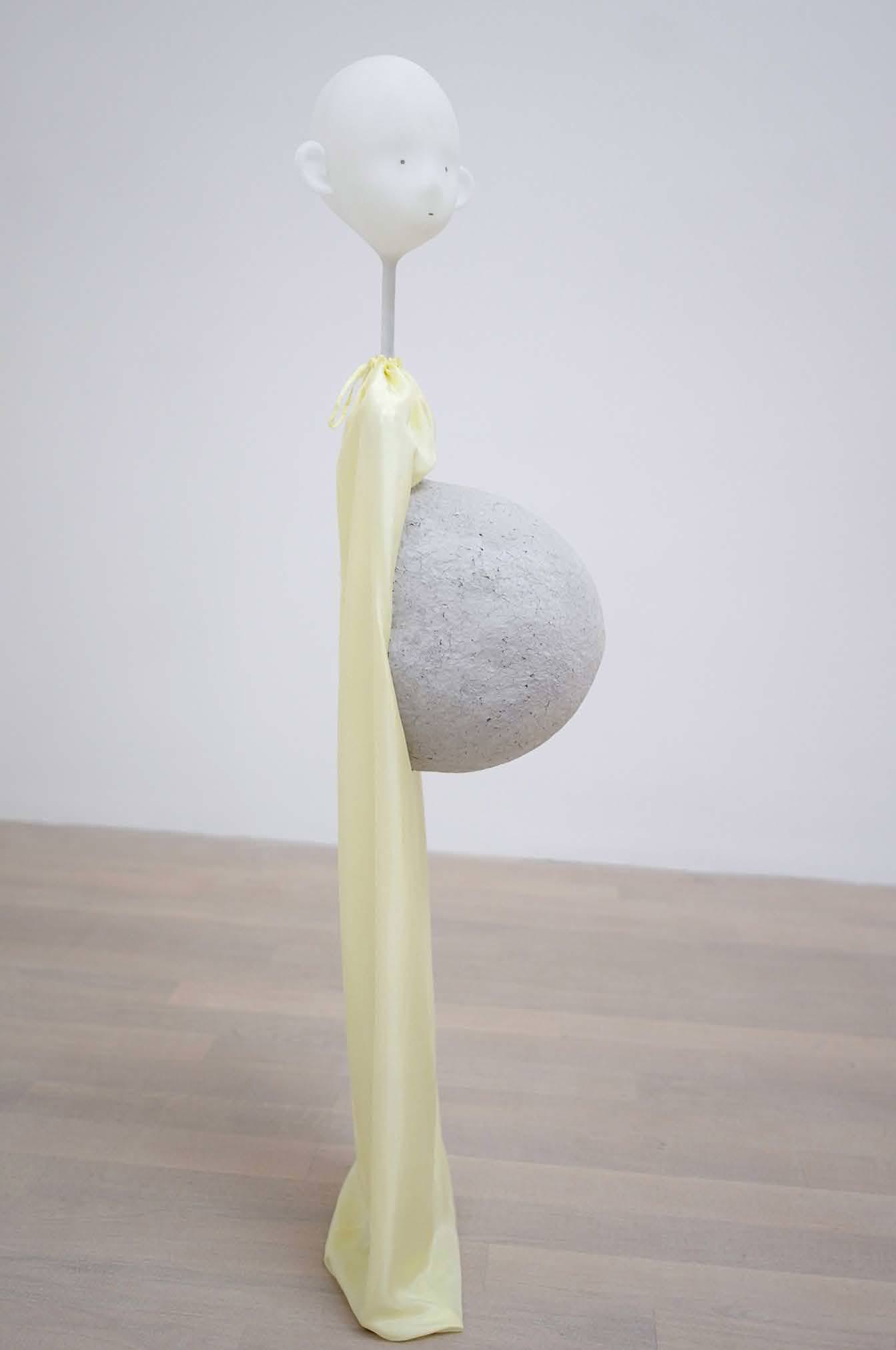
 France Pavilion
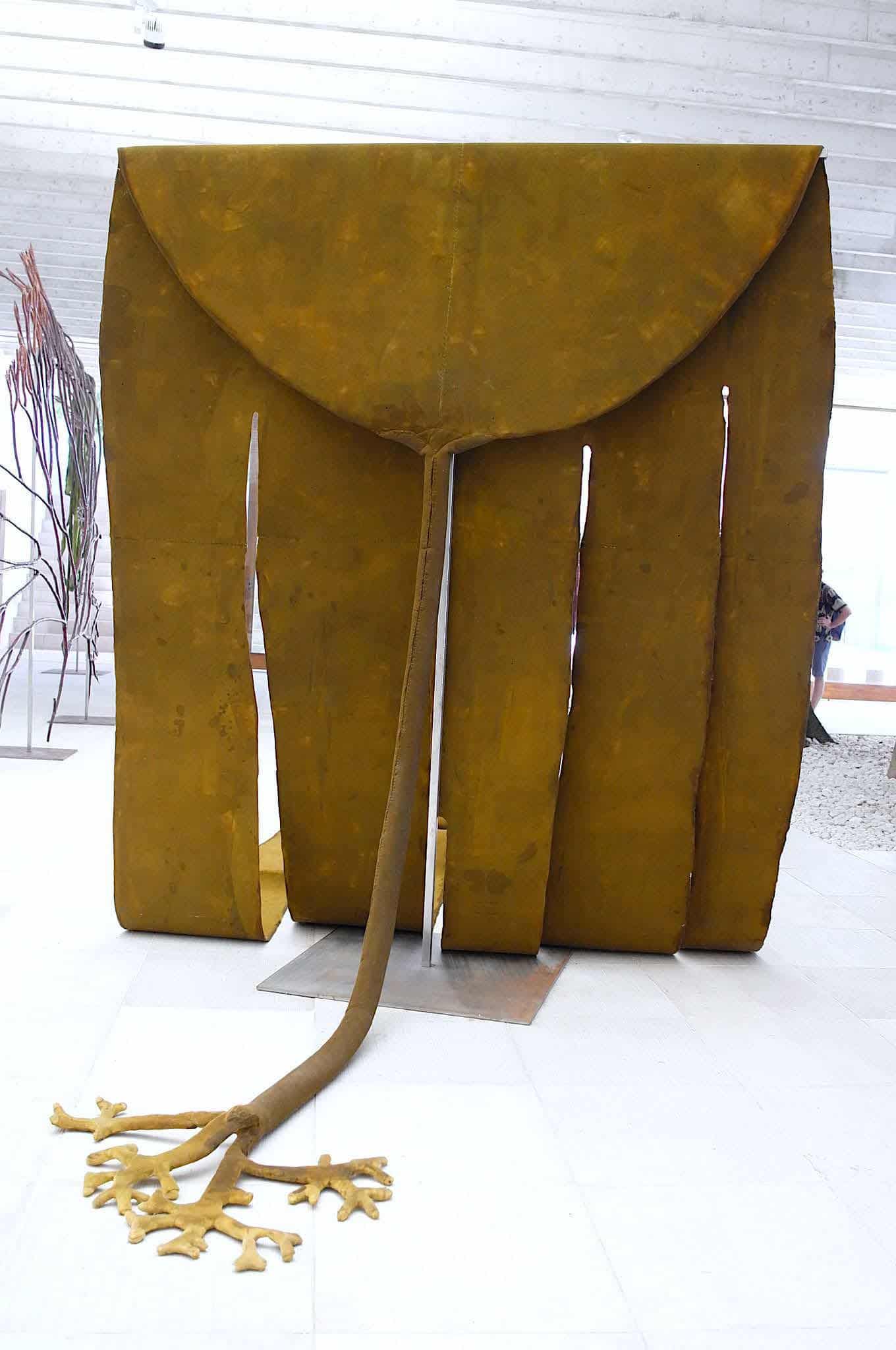 Nordic Pavilion — Finland, Norway & Sweden
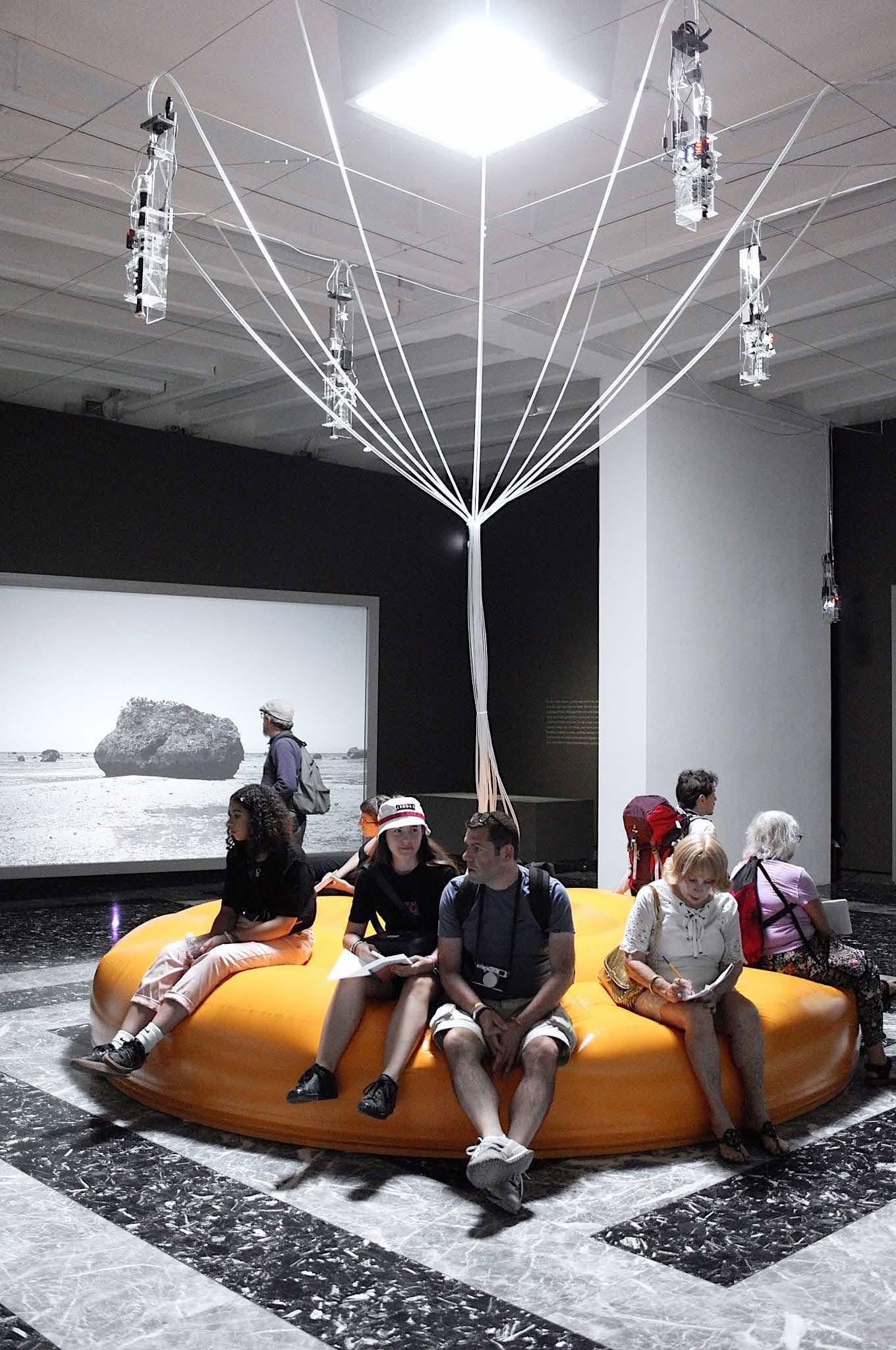 Japan Pavilion
 Presented by The New York Times as the “cult figures in the European architecture world”, Ila Bêka & Louise Lemoine are two architectural artists and fimmakers. Their films focus on the relationship of people and design, emphasising the presence of everyday life within some of the most iconic architectural projects of recent decades. Their work has been widely acclaimed as “a new form of criticism” (Mark) which “has deeply changed the way of looking at architecture” (Domus). Selected by the Metropolitan Museum of Art in New York (The Met) as one of the most exciting and critical design project of the year 2016.
 This unprecedented moment created unexpected, urgent, and complex design challenges. Jason James, VP of Design at Instacart, looks back during his ADF 2021 talk at the design thinking and principles underlying Instacart’s approach at the time and how they continue to guide their design into the future.
 Woven by hand in West Africa, beautiful Senegalese baskets are detailed works of living architecture created by mothers and daughters. These modern baskets come in a variety of sizes & have a wide color palette. The user decides on how to use it, however every design is exceptional and typically used for household storage.


 A space Solely Dedicated to the Weird and Wondrous Plants of the Desert Regions.


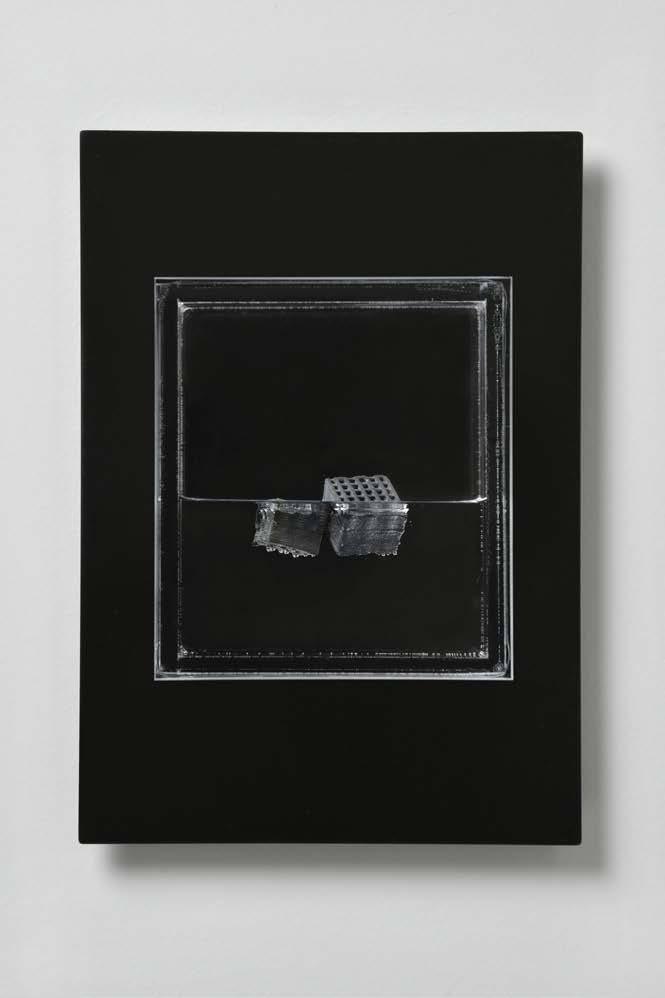 After the Stone, Bronze, Iron and Silicon Ages, the 21st century presents major technological challenges that we will be able to overcome only by developing sustainable materials. For example, plastics are used to such excess that they have now become a global environmental problem. This presents a challenge for materials science and has led to a worldwide change in thinking, making sustainability a key aspect of research. How can we develop new materials and processes that use fewer resources and are easier to recycle or – even better – are biodegradable? Our technology is only as smart as the materials on which it is based. It’s time for an upgrade.
 Imagine a material (aerogel) so light that a tablespoon of it weighs less than a redwood ant (approx. 3 mg or 0.0001 oz.) and yet has the surface area of three basketball courts (more than 1,200 m2 or 12,916 ft2) and converts CO2 and water into energy using sunlight. Or imagine a material that repairs itself when torn. Scratch-proof screens, longer-lasting batteries, extremely light bicycles or breathable contact lenses – almost all modern everyday products rely on materials with special properties. Which properties would you change in the materials around you?
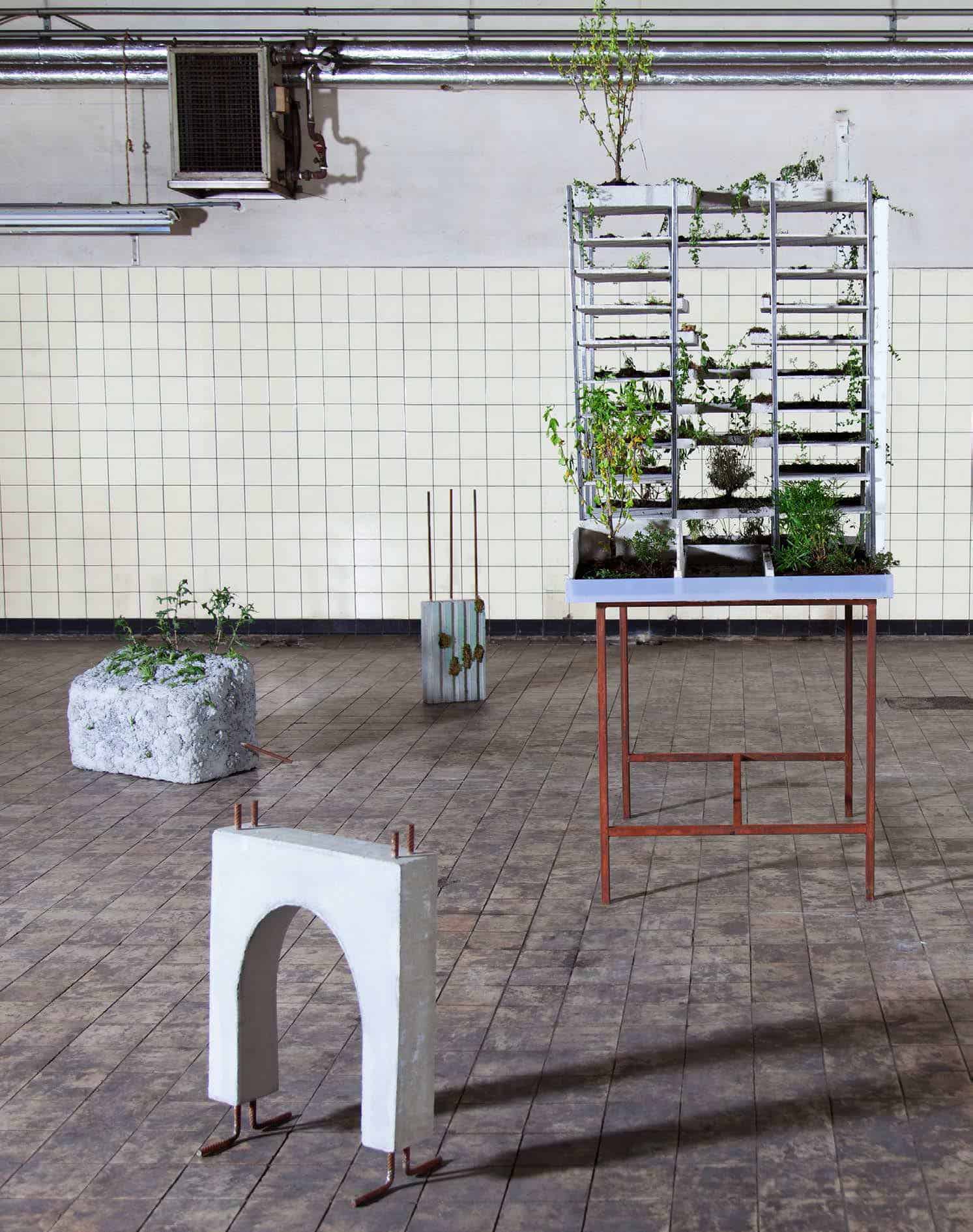 A new building system that helps architecture and nature to coexist. Once buildings are abandoned by man, nature reclaims and inhabits them, creating a blend of the human and wild. Inspired by this process, Matteo Viviano explores how to support greenery in our architecture. With increasing urban populations, it’s important to balance our needs and those of the ecosystem that we are a part of.
 The Māyā pieces take a different view on lamps. By changing their position these frames allow you to play with light and shadow. Inspired by the geometric use of light by architects like Tadao Ando and Luís Barragan, these pieces present light in a graphic form and at the same time reinterpret the exciting feeling of opening a window to a new and brighter world.
 We met-up Sunniva while exhibiting at Dutch Design Week 2019. Here is what she had to say about her work.